
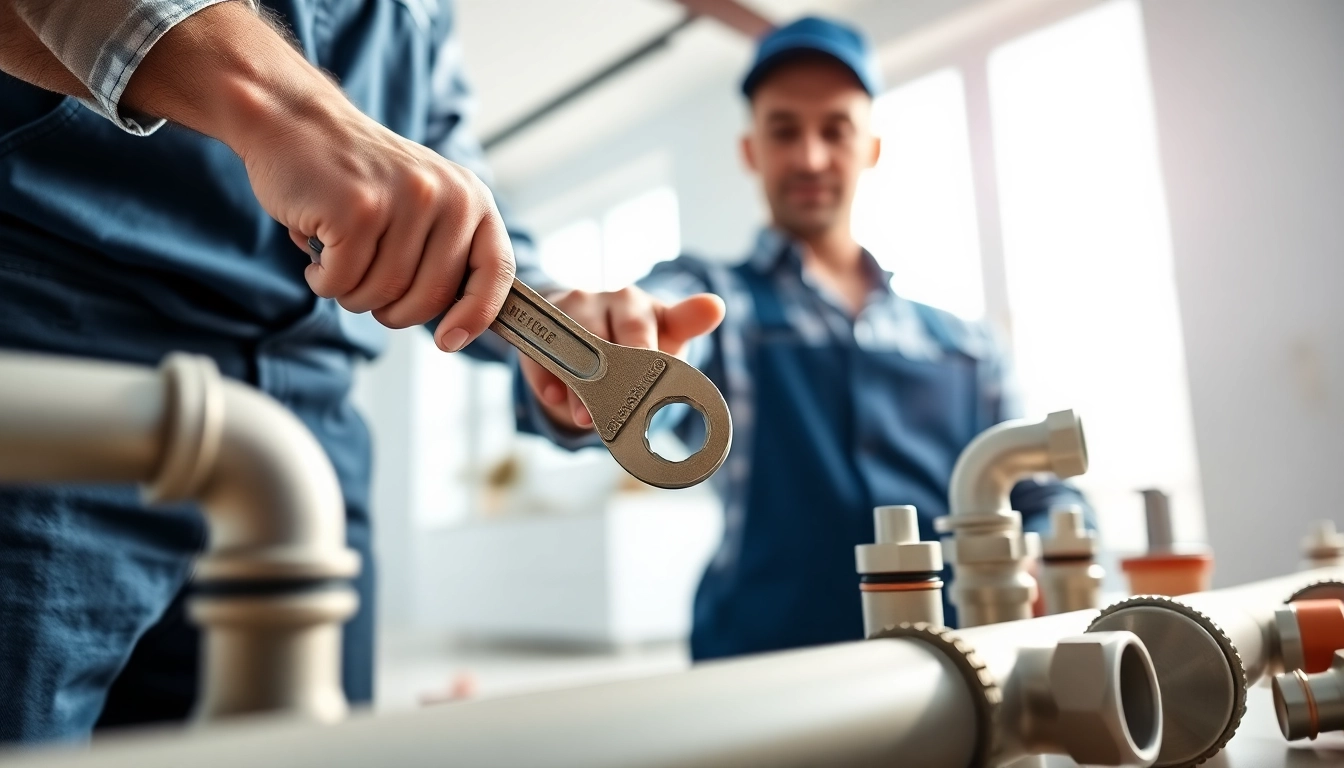
Understanding Whole House Repiping Services St Petersburg FL
When it comes to maintaining a home in the vibrant community of St. Petersburg, FL, one essential aspect often overlooked is the plumbing system. Over time, pipes can degrade, leading to various issues that can affect both your health and the value of your home. If you’re experiencing frequent plumbing issues, you may need to consider whole house repiping services St Petersburg FL. This comprehensive service can restore the integrity and efficiency of your plumbing system, providing peace of mind for you and your family. In this article, we will explore the intricacies of whole house repiping, its benefits, the process, and everything you need to consider when choosing a repiping service.
What is Whole House Repiping?
Whole house repiping is a plumbing process that involves completely replacing all the pipes in a home. This is often necessary when the existing plumbing system has deteriorated beyond repair, usually due to issues like age, corrosion, or persistent leaks. While repiping might seem like a daunting task, it is essential for ensuring the safety and functionality of your home’s water supply.
The process may involve meticulously removing old pipes and installing new ones, which can improve water flow, decrease the risk of leaks, and ensure cleaner water quality. Whole house repiping is particularly crucial in older homes where outdated materials such as galvanized steel or lead can pose health risks.
Signs Your Home Needs Repiping
If you’re unsure whether your home requires repiping, look out for some common signs that indicate it may be time to take action:
- Frequent leaks: If you find yourself continually repairing leaks, it’s a sign that your home’s plumbing is aging and may need replacement.
- Low water pressure: Sudden decreases in water pressure can indicate corrosion or blockages in your pipes, often requiring extensive repairs.
- Discolored water: If your tap water appears brown or rusty, it may indicate pipe corrosion, which can affect water quality.
- High water bills: Unexpected spikes in your water bill may signal hidden leaks within your plumbing system.
- Strange noises: Hearing unusual sounds like banging or gurgling from your pipes may suggest there is a problem that needs addressing.
Types of Piping Materials Used
The type of material chosen for repiping can significantly affect durability, maintenance, and cost. Here are the most common materials used:
- Copper: Known for its longevity and reliability, copper pipes are resistant to corrosion but can be more expensive to install.
- PEX (Cross-Linked Polyethylene): This flexible plastic piping is gaining popularity due to its ease of installation, resistance to scale and chlorine, and lower costs.
- PVC (Polyvinyl Chloride): Typically used for drain, waste, and vent systems, PVC is lightweight and cost-effective but not suitable for hot water lines.
The Benefits of Whole House Repiping Services St Petersburg FL
Investing in whole house repiping offers numerous advantages that extend beyond merely fixing existing plumbing problems. Understanding these benefits can help homeowners make informed decisions.
Improved Water Quality and Pressure
One of the most immediate benefits of repiping is the enhanced water quality. Old pipes can lead to contamination, resulting in discolored, foul-smelling water. By replacing old pipes with new, clean materials, you can improve the taste and safety of your water. Furthermore, new piping ensures consistent water pressure throughout your home, enhancing the overall comfort and functionality of your plumbing system.
Increased Property Value
For homeowners looking to sell or rent their properties, repiping can significantly increase the home’s value. Potential buyers often view updated plumbing systems as a major selling point, reducing concerns over future repair costs. Investing in repiping now can yield substantial returns when it’s time to sell.
Energy Efficiency Gains
Old, leaky pipes can waste significant amounts of water, driving up your monthly water bill. By repiping your home, you can eliminate leaks and improve the efficiency of your plumbing system, leading to potential savings on utility costs. Furthermore, with modern materials, your plumbing can be designed to minimize water wastage, aligning with green building practices.
Choosing the Right Repiping Service
Choosing the right plumbing service for your whole house repiping project is crucial for ensuring a successful outcome. Here are some key factors to consider when making your decision.
Qualities to Look for in a Plumber
Look for licensed and insured plumbing professionals with experience in whole house repiping. A reputable plumber will offer clear communication, warranties on their work, and a detailed estimate before starting the project. Customer reviews and referrals can also provide insights into their reliability and quality of work.
Questions to Ask Before Hiring
Before committing to a plumbing service, consider asking the following questions:
- What is your experience with whole house repiping?
- Which materials do you recommend, and why?
- Can you provide references from past projects?
- What warranties do you offer on your work and materials?
- How do you handle unexpected issues or costs during the project?
Comparing Rates and Services
It’s essential to gather multiple estimates from different plumbing services before making a choice. While cost is a significant factor, the overarching quality of service and materials should also weigh heavily in your decision. Cheaper isn’t always better; investing slightly more upfront can prevent costly repairs in the long run.
The Repiping Process Explained
Initial Inspection and Assessment
The first step in the repiping process is a thorough inspection of your existing plumbing system. A qualified plumber will assess the current condition of your pipes, identifying areas of concern that need to be addressed. This assessment helps in determining the appropriate materials and methods for the repiping project.
Installation Step-by-Step
Once the assessment is complete, the installation process begins. Here’s a general overview of what to expect:
- Preparation: The plumber will shut off the water supply and prepare the work area to minimize any damage to your home.
- Removal of Old Pipes: Existing plumbing will be carefully removed, including any necessary wall or floor access.
- Installation of New Pipes: New pipes will be installed according to local building codes, ensuring a leak-free system.
- Testing: After installation, the system will be tested for leak detection and proper water flow.
- Cleanup: The plumbers will clean the work area, leaving your home as tidy as possible.
Post-Installation Care and Maintenance
Once the repiping is completed, it’s essential to keep an eye on your plumbing system. Regular inspections can help detect any minor issues before they escalate into significant problems. Furthermore, ensure that everyone in your household knows where the main shut-off valve is located, as this can help prevent water damage in emergencies.
Frequently Asked Questions about Whole House Repiping Services
How long does a repiping project take?
The duration varies, but typically it can take 1 to 3 days, depending on house size and complexity.
What materials are commonly used in repiping?
The most common materials are copper, PEX, and PVC; each has its pros and cons regarding cost and durability.
Will repiping disrupt my daily routine?
There might be some disruption, but most services work to minimize inconveniences, often completing projects quickly.
Is repiping covered by insurance?
It depends on your policy. Some homeowner’s insurance may cover leaking pipes but always check with your provider.
How can I maintain my plumbing after repiping?
Regular inspections, avoiding harsh chemicals, and knowing where shut-off valves are can help maintain your plumbing.