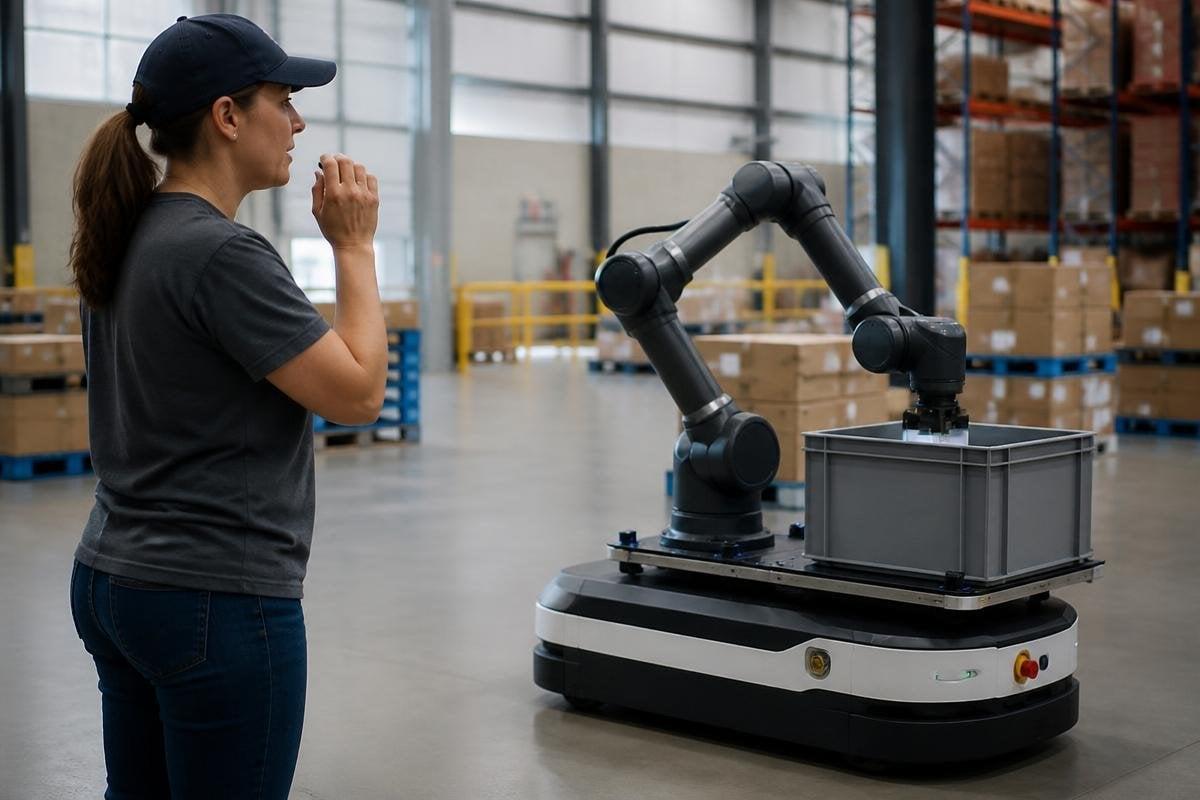
The Rise of IA +18 Technology
In the rapidly evolving landscape of technology, the emergence of IA +18 represents a significant advancement in intelligent automation and integration across various sectors. This innovative approach is transforming how businesses operate, making processes more efficient while enhancing user experiences. As organizations strive to remain competitive in an increasingly digital world, understanding the implications of this technology becomes paramount. When exploring options, ia +18 provides comprehensive insights into how these advancements can be leveraged for maximum benefit.
Understanding IA +18 and Its Implications
IA +18 refers to a set of technologies that harness artificial intelligence and machine learning to optimize workflows and decision-making. By automating routine tasks, this technology enables organizations to focus on strategic initiatives that drive growth and innovation. The implications extend beyond mere efficiency; IA +18 can enhance data accuracy, improve customer interactions, and facilitate more personalized experiences. Moreover, it can help businesses adapt to rapidly changing market dynamics, providing a competitive edge in today's fast-paced environment.
Key Features of IA +18 Innovations
- Automation of Repetitive Tasks: IA +18 automates mundane activities, saving both time and resources for organizations.
- Data Analysis and Insights: By analyzing vast amounts of data, IA +18 technologies can uncover hidden patterns and trends, aiding in better business decisions.
- Enhanced User Experience: Through personalization, IA +18 improves the way users interact with services and products, fostering loyalty and satisfaction.
- Integration with Existing Systems: IA +18 solutions can seamlessly integrate with current technologies, minimizing disruptions during implementation.
Current Applications in Various Industries
IA +18 is applicable across a diverse range of industries, offering unique solutions tailored to specific needs:
- Healthcare: In the medical field, IA +18 technologies are used for predictive analytics, patient management, and telehealth services, enhancing patient care and operational efficiency.
- Finance: Financial institutions leverage IA +18 for fraud detection, risk assessment, and automated customer service, streamlining operations and bolstering security.
- Retail: Retailers use IA +18 to analyze consumer behavior, manage inventory, and personalize marketing efforts, improving customer satisfaction and sales.
- Manufacturing: In manufacturing, IA +18 aids in predictive maintenance and supply chain optimization, reducing downtime and operational costs.
Challenges with IA +18 Implementation
Despite the clear benefits of IA +18 technology, organizations face several challenges in its implementation. Understanding these obstacles is crucial for a successful transition.
Common Misconceived Notions
Many misconceptions surround IA +18, often leading to hesitance in adoption. A common belief is that these technologies completely replace human jobs. However, IA +18 is designed to augment human capabilities, allowing for a more collaborative work environment. Education and communication about the technology's purpose and benefits can help alleviate fears and encourage adoption.
Technical Barriers to Adoption
Technical challenges such as integration with legacy systems can pose significant hurdles in the implementation of IA +18. Organizations may also struggle with data quality and management, which are vital for the effectiveness of AI-driven solutions. To overcome these barriers, businesses must invest in robust IT infrastructure and ongoing workforce training to ensure successful integration.
Addressing User Concerns and Expectations
Gaining the trust of users is essential for the successful adoption of IA +18 technologies. Addressing concerns about privacy, data security, and the implications of machine decision-making can help in aligning user expectations with organizational goals. Transparent communication regarding data usage and the benefits of automation can foster acceptance.
Strategies for Effective Use of IA +18
To maximize the potential of IA +18, businesses need to adopt strategic approaches that facilitate effective integration and utilization of the technology.
Best Practices for Integration
- Start Small: Begin with pilot projects that allow for the testing of IA +18 technologies in controlled environments to evaluate their effectiveness before full-scale implementation.
- Invest in Training: Providing comprehensive training for employees ensures they are well-equipped to leverage IA +18 tools effectively, fostering a culture of innovation.
- Establish Clear Objectives: Defining specific goals for IA +18 implementation helps in measuring success and aligning technology use with broader business strategies.
Real-World Success Stories
Numerous organizations have successfully implemented IA +18, showcasing its transformative potential:
- Amazon: The retail giant employs IA +18 for inventory management and delivery logistics, resulting in reduced operational costs and improved delivery times.
- Siemens: In manufacturing, Siemens utilizes IA +18 to enhance predictive maintenance, significantly decreasing downtime and maintenance costs.
- UnitedHealthcare: Leveraging IA +18 for patient management, they improved patient care outcomes and streamlined operational workflows.
Customizing IA +18 Solutions for Your Business
Every organization is unique, and tailoring IA +18 solutions to meet specific needs can enhance effectiveness. Companies should engage in an assessment of their workflows to identify areas where IA +18 can provide the most value. Custom solutions can lead to higher adoption rates and better overall results.
Measuring Success with IA +18 Technologies
To ensure that the implementation of IA +18 delivers the expected benefits, organizations must establish metrics for evaluating success.
Performance Metrics for Evaluation
- Efficiency Gains: Tracking reductions in time spent on tasks can indicate the effectiveness of IA +18 integration.
- Cost Savings: Comparing operational costs pre- and post-implementation helps in assessing financial benefits.
- Customer Satisfaction: Monitoring customer feedback and engagement levels can provide insights into the impact of IA +18 on user experience.
Learning from Analytics
Utilizing analytics to monitor IA +18 performance is crucial. Organizations should regularly analyze data to identify trends and areas for improvement, allowing for iterative enhancements to the technology being used.
Continuous Improvement Strategies
Establishing a framework for continuous improvement ensures that organizations can adapt to changing needs and optimize their use of IA +18 technologies. This involves fostering a culture of innovation and encouraging ongoing feedback from users, which is essential for refining processes and maximizing impact.
Future Insights and Trends for IA +18
The landscape of IA +18 is poised for significant growth and evolution in the coming years. Understanding future trends will be essential for organizations looking to stay ahead.
Predictions for 2025 and Beyond
By 2025, it is anticipated that IA +18 technologies will become mainstream across various industries. As more organizations recognize the benefits of automation and intelligent systems, the demand for these solutions will increase. This will result in further advancements in AI capabilities, leading to even more sophisticated applications.
Emerging Technologies in the IA Space
Technologies such as quantum computing and advanced neural networks are expected to play a crucial role in enhancing IA +18 functionalities. These advancements will lead to more refined predictive capabilities and complex problem-solving, opening new avenues for innovation.
Preparing for a Competitive Landscape
As the adoption of IA +18 technologies becomes widespread, the competitive landscape will intensify. Organizations must prepare by investing in skill development, enhancing data literacy among employees, and fostering an agile mindset to adapt to rapid changes in technology and market demands.