
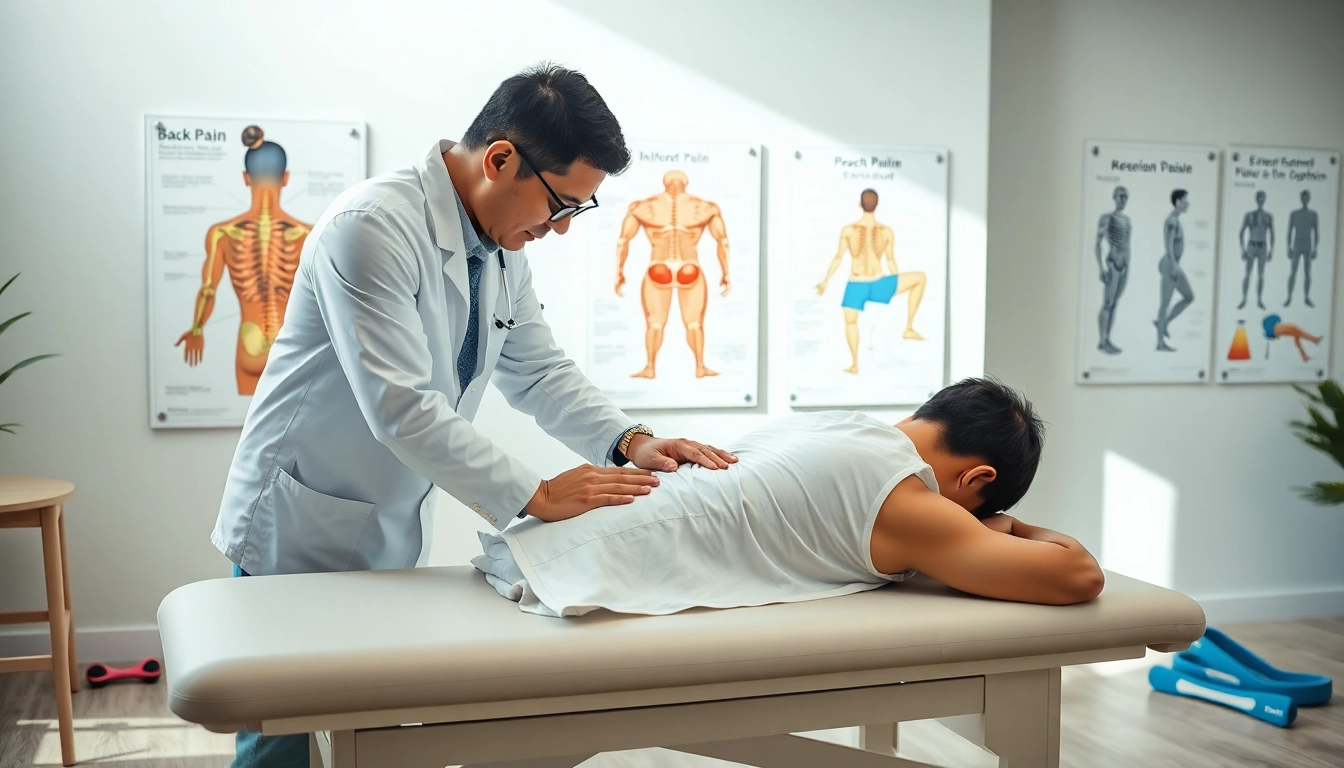
Understanding Back Pain: Causes and Symptoms
Back pain is an ailment that affects millions of individuals worldwide. It can range from a dull ache to a sudden, sharp pain, and its onset can be gradual or immediate. Understanding back pain solutions begins with recognizing its causes and symptoms, which can often be complex and multifaceted. This section explores common triggers, identifies typical symptoms, and examines how lifestyle can contribute to back pain.
Common Triggers of Back Pain
Common triggers for back pain can include a variety of physical, psychological, and lifestyle factors. Injuries sustained from accidents, falls, or improper lifting techniques are frequent culprits. Additionally, degenerative conditions like arthritis or herniated discs can lead to chronic pain. Activities such as prolonged sitting, poor posture, and lack of physical activity exacerbate these issues, contributing significantly to the prevalence of back pain.
Identifying Symptoms for Effective Treatment
Recognizing the symptoms of back pain is crucial for effective treatment. Symptoms may vary widely, from localized pain in the lower back to radiating pain down the legs. Other signs such as numbness, weakness, and difficulty in maintaining normal movement should not be overlooked. Patients need to maintain a detailed log of their symptoms and triggers, which can significantly aid healthcare professionals in determining the appropriate course of action.
How Lifestyle Affects Back Pain
Lifestyle choices play a critical role in both the onset and management of back pain. Sedentary lifestyles contribute to muscle weakness, particularly in the core, which is essential for proper spinal support. Furthermore, dietary habits can influence the body’s inflammatory processes, impacting pain levels. Stress management techniques, such as mindfulness and yoga, can also reduce tension and promote overall well-being, thereby alleviating pain symptoms.
Natural Back Pain Solutions: Lifestyle Adjustments
Natural back pain solutions emphasize lifestyle adjustments that can promote long-term relief without the need for pharmaceuticals or invasive procedures. These adjustments include specific exercise routines, dietary practices, and ergonomic changes aimed at minimizing discomfort and improving mobility.
Exercise and Stretching Techniques
Engaging in regular exercise and stretching is one of the most effective natural back pain solutions. Core-strengthening exercises such as planks, bridges, and specific yoga poses can enhance stability and alleviate pressure on the spine. Stretching routines target tight muscles in the back, hips, and legs, which can often contribute to pain. Physical therapists often recommend techniques like McKenzie exercises, tailored to improve posture and spinal alignment.
Dietary Considerations for Pain Management
What we eat can significantly influence inflammation and, subsequently, our experience of pain. Antioxidant-rich foods like fruits and vegetables, omega-3 fatty acids found in fish, and whole grains should be included in the diet to combat inflammation. Staying hydrated is equally crucial, as dehydration can exacerbate muscle cramps and stiffness, ultimately contributing to back pain.
Implementing Ergonomic Practices
Ergonomics plays a vital role in preventing back pain, especially for individuals who work at desks for long hours. Proper workstation setup, including chair height, desk ergonomics, and computer screen positioning, can significantly reduce strain on the back. Implementing ergonomic practices encourages good posture, which can drastically improve spinal health and reduce pain over time.
Alternative Back Pain Solutions: Therapies and Treatments
In addition to lifestyle adjustments, several alternative therapies can provide substantial relief from back pain. These approaches often work in concert with traditional medicine to improve overall outcomes for patients suffering from chronic back conditions.
Chiropractic Methods Explained
Chiropractic care involves the manipulation of the spine to restore proper alignment and function. Chiropractors utilize hands-on adjustments and a variety of techniques to mobilize stiff joints and relieve tension in the surrounding muscles. Research has shown that chiropractic methods can be effective in managing acute back pain and may reduce reliance on medications.
Acupuncture as an Effective Treatment
Acupuncture is an ancient practice rooted in Traditional Chinese Medicine that involves inserting thin needles into specific points on the body. This technique aims to restore energy flow and alleviate pain. Studies have demonstrated the efficacy of acupuncture in treating various types of pain, including lower back pain. The treatment is considered safe and can enhance overall well-being.
Physiotherapy: Strengthening for Relief
Physiotherapy is an individualized treatment approach that focuses on rehabilitating the back through tailored exercises and manual therapies. A physiotherapist will assess the patient’s condition and develop a specific program that strengthens the core, improves flexibility, and restores function. Additionally, physiotherapy often incorporates modalities such as heat, ice, and ultrasound to enhance pain relief.
When to Seek Professional Back Pain Solutions
While many instances of back pain can be managed with at-home care and lifestyle changes, there are scenarios that warrant professional attention. Knowing when to seek help is critical in preventing further complications and obtaining the most effective treatment.
Recognizing Serious Symptoms
Serious symptoms that require immediate medical attention include back pain accompanied by unexplained weight loss, persistent fever, or loss of bowel or bladder control. Additionally, pain that radiates down the legs or is associated with weakness may indicate a more serious underlying problem that must be evaluated by a professional.
Consultation: What to Expect
When consulting a healthcare professional for back pain, expect a thorough examination. This will often involve a comprehensive medical history, physical examination, and in some cases, imaging studies such as X-rays or MRIs to diagnose the condition accurately. The information gathered will help shape the treatment plan tailored to your specific needs.
Choosing the Right Specialist for You
Selecting the right specialist is crucial to effective management of back pain. Options may include primary care physicians, orthopedists, neurologists, chiropractors, and physiotherapists. Consider factors such as the nature of your pain, prior treatments, and personal preference when deciding who to consult for your back pain solutions.
FAQs About Back Pain Solutions
What are the best immediate back pain solutions?
Immediate solutions can include applying ice or heat, taking over-the-counter pain relievers, and practicing gentle stretching exercises. Resting in a comfortable position may also offer temporary relief.
Are there preventative back pain solutions?
Preventive measures include maintaining a healthy weight, engaging in regular exercise, practicing good posture, and using ergonomic furniture to minimize strain on the back.
How long does it take to see results from these solutions?
Timeframes vary; some may experience relief in a few days, while others may take weeks or months. Consistency in practicing recommended solutions is crucial for effective results.
Can lifestyle changes really alleviate back pain?
Yes, lifestyle changes such as regular exercise, maintaining good posture, and a healthy diet can significantly alleviate back pain and reduce the risk of recurrence.
What should I do if common solutions don’t work?
If common solutions fail to provide relief, consult a healthcare professional for a thorough evaluation and to explore other treatment options tailored to your specific condition.