
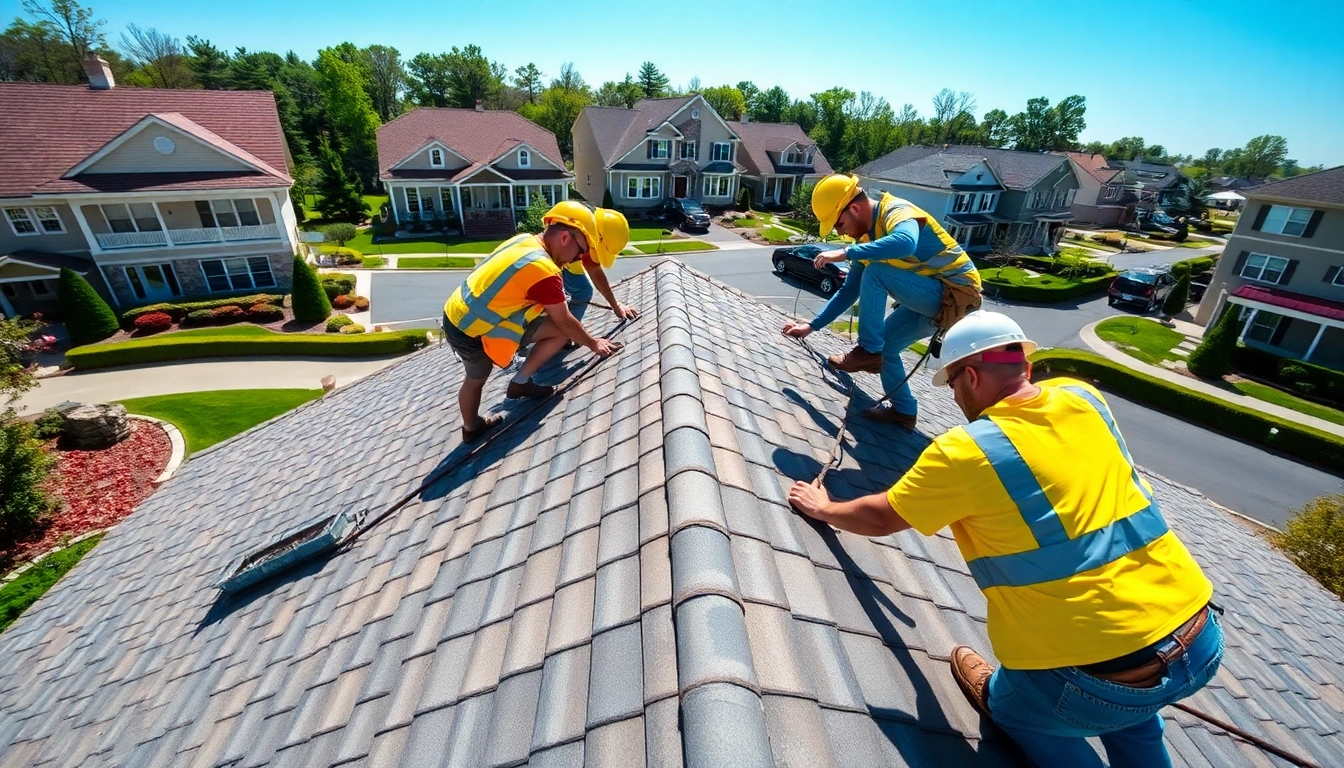
Understanding Roofing Needs in South Jersey
When it comes to roofing, homeowners in South jersey face unique challenges and opportunities. From the varying climate conditions to local regulations, understanding the roofing landscape in this region is essential for making informed decisions. This article delves into the myriad factors that affect roofing needs, gives insights into selecting the right service, and offers maintenance tips tailored for South Jersey residents.
Climate Challenges and Considerations
South Jersey experiences a diverse range of weather conditions throughout the year. Summers can be hot and humid, while winters bring cold temperatures and occasional snow. This variation necessitates a specialized approach to roofing. Here are some climate considerations:
- Heat and Humidity: The hot summers can contribute to roof material degradation; thus, choosing products designed for high heat is crucial.
- Winter Snow and Ice: Snow and ice can lead to ice dams, which increase the risk of leaks. Proper insulation and ventilation are vital to prevent such issues.
- Rainfall and Storms: Heavy rains during certain seasons necessitate roofs that can adequately drain water to avoid pooling and leaks.
Common Roofing Materials Used
In South Jersey, homeowners frequently utilize various roofing materials, each with its benefits and drawbacks. Understanding these materials helps you choose the best option for your home:
- Asphalt Shingles: A popular choice due to affordability and ease of installation. They come in various colors and styles.
- Metal Roofing: Known for its longevity and durability. Metal roofs are resistant to severe weather, making them ideal for South Jersey.
- Slate Roofing: A premium option that offers a unique aesthetic and exceptional durability, albeit at a higher price point.
- Tile Roofing: Common in coastal areas, tile roofs provide a distinctive look and are resilient to harsh weather.
How Local Regulations Affect Roofing
Local building codes and regulations significantly impact roofing projects. Homeowners need to be aware of these regulations to avoid fines or the need for costly alterations. Key considerations include:
- Permits: Many localities in South Jersey require permits for roofing work, especially for significant repairs or replacements.
- Material Standards: Certain materials may be required to meet specific codes for safety and efficiency.
- Height and Pitch: Local guidelines can dictate the height and pitch of roofs based on neighborhood standards.
Choosing the Right Roofing Service in South Jersey
Selecting a roofing contractor is one of the most critical decisions a homeowner can make. The quality of the service can directly impact your roof’s performance and durability. Below are key factors to consider:
Evaluating Contractor Experience
When choosing a roofing contractor, look for someone with extensive experience in the South Jersey area. Experienced contractors will understand the specific challenges posed by local weather and building codes, providing tailored solutions that meet your needs.
Importance of Licensing and Insurance
Ensure that any contractor you consider is properly licensed and carries insurance. Licensing verifies their expertise, while insurance protects you from liability in case of accidents or damage during installation.
Getting and Comparing Quotes
Shopping for quotes can provide insight into market rates and help you gauge the professionalism of various contractors. It’s essential to compare not only prices but also the scope of work included, warranty options, and timelines.
Roofing Maintenance Tips for South Jersey Homeowners
Regular maintenance is key to extending the life of your roof. Neglecting it can lead to severe problems down the line. Here are maintenance tips specific to South Jersey homeowners:
Regular Inspections and When to Schedule Them
It’s advisable to schedule roof inspections at least twice a year, ideally in spring and fall. These inspections help identify potential issues before they escalate, such as shingle damage or blockages in gutters.
Common Signs of Roof Damage
Be vigilant about spotting signs of roof damage. Look for missing shingles, leaks, sagging areas, or granules in your gutters. Any of these may indicate the need for immediate repairs.
Preventative Measures Against Weather Damage
Implementing preventative measures can save you money in the long run. Use roof coatings to enhance waterproofing, keep gutters clean, and ensure proper ventilation to prevent overheating and moisture buildup.
Investment in Quality Materials for Long-Lasting Results
Investing in high-quality roofing materials pays off through enhanced durability and reduced maintenance costs. Understanding the options available is essential for making informed choices.
Popular Roofing Materials in South Jersey
As mentioned earlier, materials like asphalt shingles, metal roofing, and tile roofing are popular in the region. Each material comes with unique benefits, so consider factors such as aesthetic appeal, lifespan, and climate resilience when deciding.
Cost vs. Longevity Considerations
Another vital consideration is the cost versus longevity. While cheaper materials may save you money upfront, they could lead to higher long-term costs due to replacements and repairs. Conversely, investing in durable materials can minimize expenses in the future.
Eco-Friendly Roofing Alternatives
Many homeowners are increasingly concerned with environmental impact. Eco-friendly roofing options such as green roofs, solar tiles, and recycled shingles offer sustainable choices that can also contribute to energy savings.
Frequently Asked Questions About Roofing in South Jersey
What are the signs my roof needs replacement?
Signs include extensive shingle damage, leaks, sagging areas, and visible wear or rot. Any of these may indicate it’s time for a replacement.
How often should I have my roof inspected?
It’s recommended to inspect your roof at least twice a year, especially after severe weather events. This ensures you can catch problems early.
What roofing warranties are available?
Warranties vary by manufacturer and can cover materials, labor, or both. Always ask contractors about the specific warranties they offer for their installations.
Can I handle roof repairs myself?
While small repairs may be feasible, it’s often safer and more effective to hire professionals for major repairs to avoid injury or further damage.
How do I prepare my roof for winter?
To prepare, clear gutters, inspect for damage, check insulation quality, and remove snow build-up to prevent ice dams and leaks.