
Understanding Bed Bugs: The Basics of Pest Control
Bed bugs are a growing concern for homeowners and renters alike, especially in urban areas like Milwaukee. These nocturnal pests thrive on human blood, leading to a range of discomforts including itchy welts and potential sleep disruptions. As the awareness of bed bug infestations increases, so does the demand for effective solutions in bed bug pest control. Understanding the nature of bed bugs, their life cycle, and the signs of their presence is crucial for effective prevention and extermination.
What Are Bed Bugs and Why Are They a Problem?
Bed bugs are small, reddish-brown insects that typically measure about 4 to 5 millimeters in length. They feed exclusively on the blood of humans and animals, making their presence not only uncomfortable but also a potential health risk. Their ability to hide in tiny crevices means they can easily travel between locations in bags, clothing, and used furniture, complicating extermination efforts. Infestations can lead to significant emotional distress, anxiety, and inconvenience as they often require extensive treatment to eliminate.
The Life Cycle of Bed Bugs and Its Implications for Control
Understanding the life cycle of bed bugs is essential for anyone involved in pest control. Bed bugs undergo several life stages, including eggs, nymphs, and adults, with a complete cycle taking about five weeks under ideal conditions. Female bed bugs can lay up to seven eggs per week, leading to rapid population growth if left untreated. This resilience necessitates comprehensive pest control strategies that address all life stages to ensure complete eradication of the infestation.
Signs of Infestation: How to Spot Bed Bugs Early
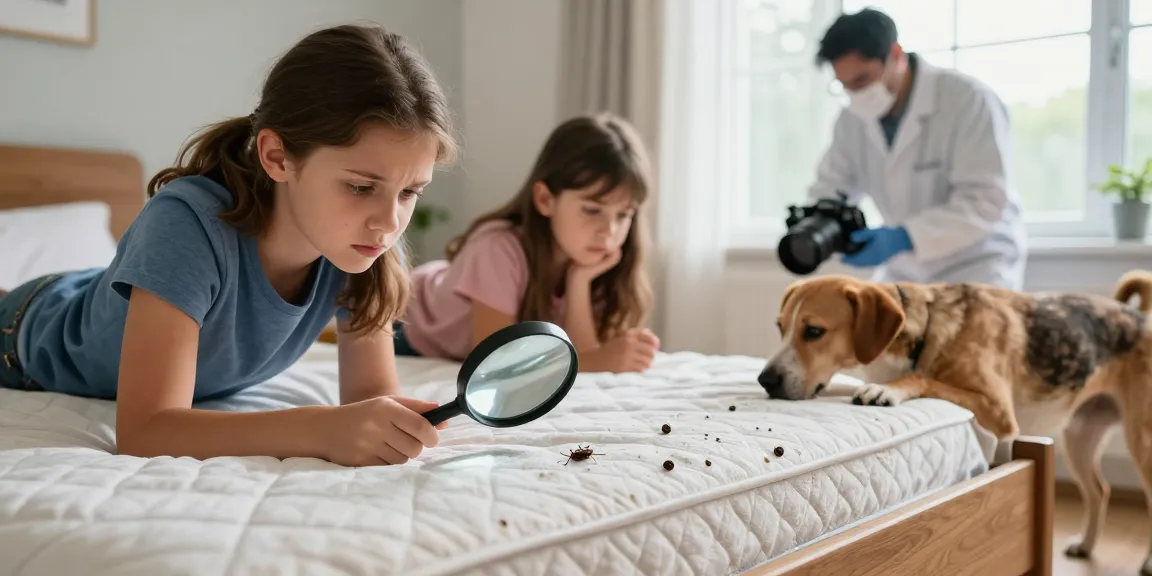
Early detection of bed bugs is key to effective control. Common signs include:
- Itchy bites, often in lines or clusters, on the skin.
- Small bloodstains on sheets or mattresses.
- Dark spots of fecal matter on bedding.
- Visible adult bed bugs or their shed skins during inspections.
Regular inspections and vigilance can help catch infestations early before they escalate into larger problems.
Effective Bed Bug Treatment Methods
Once an infestation is confirmed, employing effective treatment methods is crucial. Here are the most widely used strategies:
In-Depth Look at Heat Treatment as a Pest Control Strategy
Heat treatment is recognized as one of the most effective methods for eradicating bed bugs. This technique involves raising the temperature in an infested area to a lethal level for these pests. The process typically requires temperatures of around 120°F to 140°F (49°C to 60°C) for effective results, eliminating all life stages including eggs. Additionally, heat treatment is eco-friendly, reducing the need for harsh chemical pesticides.
Chemical Treatments: Pros and Cons Explained
Chemical treatments remain a popular choice in bed bug pest control. Commercial insecticides can provide long-term protection due to their residual effects, lasting up to 120 days. However, these treatments often require careful application to ensure safety for residents and pets. While effective, chemical treatments can sometimes lead to resistance in bed bug populations if not rotated properly with other methods.
Combination Approaches: Why Integration Works Best
Combining heat treatment with chemical treatments can yield the best results, particularly in severe infestations. This integrated approach leverages the immediate killing power of heat with the lasting protection of chemicals. Additionally, incorporating practices such as thorough cleaning, sealing cracks, and using mattress encasements can further enhance success rates.
Pest Control Strategies: Professional vs DIY
Many homeowners wonder whether to tackle bed bug infestations on their own or to call in professionals. Understanding the strengths and limitations of each approach is vital for effective management.
When to Call in Bed Bug Exterminators
For serious infestations, it’s often best to consult professional exterminators. With their expertise, tools, and access to high-grade treatments, pest control specialists can eliminate bed bugs more efficiently than most DIY methods. Moreover, professionals can provide a comprehensive inspection to identify hidden infestations, which may not be apparent to untrained eyes.
Common DIY Treatments and Their Limitations
While some homeowners may try DIY treatments, these often fall short for established infestations. Common remedies include steam cleaning, vacuuming, and the use of commercial sprays. However, these methods generally only combat visible bugs and fail to address the entire life cycle or deeper infestations. Without professional-grade products and expertise, DIY efforts may prolong the problem rather than eliminate it.
Maintaining Prevention: Tips After Treatment
After treatment, maintaining vigilance is essential. Regular inspections, washing bedding in hot water, and using protective covers on mattresses and box springs can help prevent reinfestation. Additionally, educating yourself and your family about how bed bugs travel can minimize risks during travel and when bringing second-hand items into the home.
Costs and Budgeting for Bed Bug Control
Understanding the costs associated with bed bug pest control can help homeowners budget effectively for treatments. Costs can vary widely depending on the method of treatment, size of the infestation, and local market rates.
Average Costs of Bed Bug Pest Control in 2026
As of 2026, the average cost of professional bed bug treatments can range from $300 to $1,500 depending on the severity of the infestation and the treatment method utilized. Heat treatments tend to be more expensive due to the technology and expertise required, but they often provide quicker results.
Factors Influencing Bed Bug Treatment Prices
Several key factors influence the cost of bed bug pest control:
- The size of the area being treated.
- The level of infestation and accessibility of the treatment area.
- The treatment method chosen, such as heat or chemical.
- Any follow-up inspections or treatments needed.
Understanding Value vs. Cheap: What You Get for Your Money
While it may be tempting to choose the cheapest option available, investing in quality pest control services often pays off in the long run. A more thorough and professional service can reduce the chances of reinfestation, saving you time and stress. Remember, you are not only paying for immediate extermination but also for peace of mind and long-term protection.
Future Trends in Bed Bug Pest Control
The field of pest control is continually evolving. New technologies and methods are emerging, aiming to provide more effective and sustainable solutions for managing bed bug populations.
Emerging Technologies in Pest Control Solutions
Innovations such as smart traps and monitoring systems are paving the way for more proactive pest control. These technologies allow homeowners to detect and respond to infestations more quickly, potentially preventing larger problems down the road. Additionally, developments in bio-pesticides offer environmentally-friendly alternatives to chemical treatments, aligning with growing consumer preferences for sustainable living.
Regulatory Changes: What to Expect in the Industry
As awareness of bed bug issues continues to rise, regulations governing pesticide use and pest control practices may become stricter. This shift could push pest control companies to adopt more eco-friendly practices and provide clients with safer solutions. Staying informed about changes in regulations is crucial for both pest control professionals and consumers alike.
Consumer Awareness and Education: The Path Forward
Enhanced consumer education is vital for effective bed bug management. As awareness spreads, individuals will be better equipped to recognize signs of infestations and take appropriate action. Pest control providers must also commit to educating their clients on prevention strategies and the importance of early intervention.
What are the best bed bug pest control methods?
The most effective methods typically combine heat treatment with chemical options, creating a multifaceted approach that addresses all life stages of bed bugs.
How can I identify a bed bug infestation?
Signs include bites on the skin, bloodstains on bedding, and visible bed bugs or their droppings in areas where they hide.
Is heat treatment effective for all life stages of bed bugs?
Yes, heat treatment is effective against all life stages, including eggs, making it a comprehensive solution for eradication.
What precautions should I take after bed bug treatment?
Post-treatment precautions include regular inspections, washing bedding frequently, and maintaining protective covers on mattresses.
How often should I inspect for bed bugs?
Regular inspections should be conducted every few months, especially after travel or acquisition of used goods, to ensure early detection.