
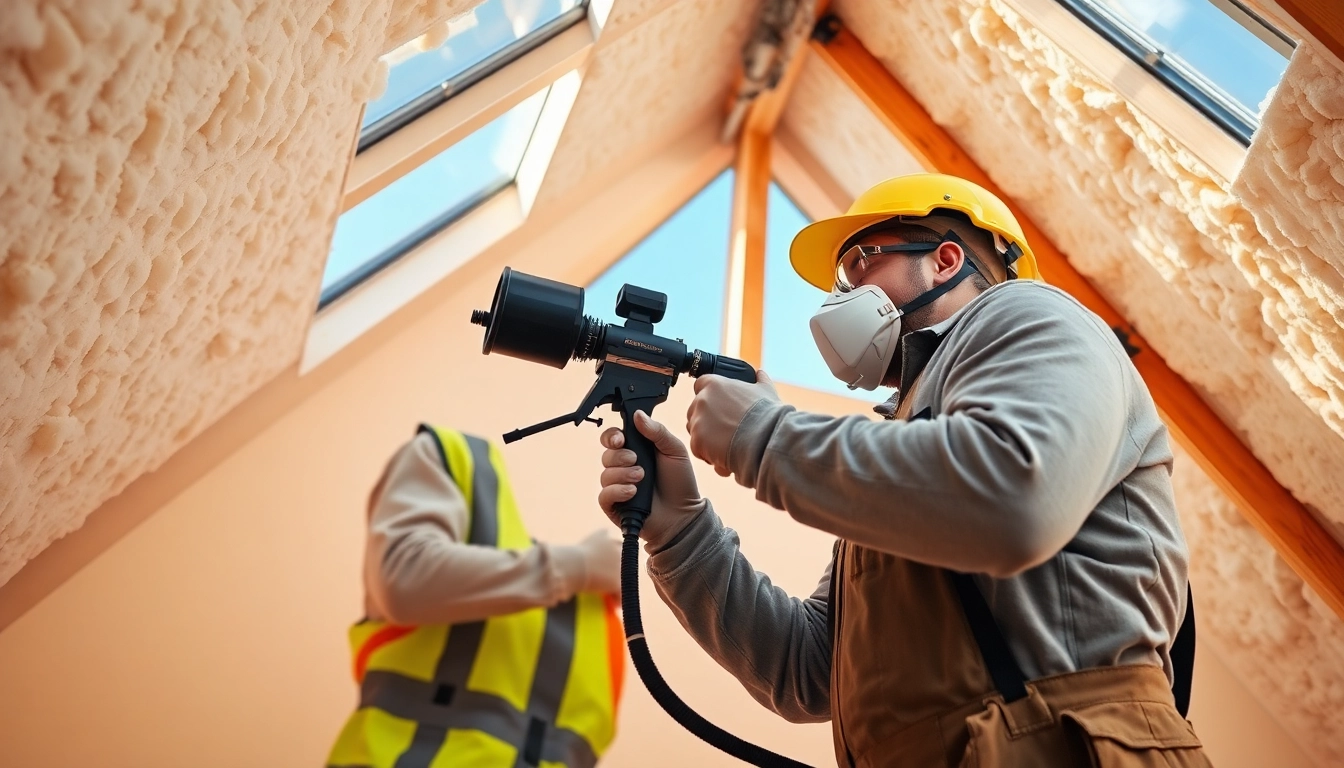
Understanding Loft Spray Foam Removal
What is Loft Spray Foam?
Loft spray foam, an innovative insulation method, involves applying a polyurethane foam mixture that expands and adheres to surfaces, creating a thick barrier against the elements. Not only does this insulation provide superior thermal resistance, but it also acts as a moisture barrier, preventing dampness and condensation in attics and lofts.
Benefits of Spray Foam Insulation
Spray foam insulation boasts numerous advantages that make it a popular choice among homeowners. It contributes to energy efficiency by sealing off air leaks and requiring less energy for heating and cooling. Additionally, its lightweight nature means quicker installation, and its ability to conform to irregular spaces offers comprehensive coverage. Furthermore, spray foam is resistant to mold and pests, enhancing the longevity of your insulation.
Common Reasons for Removal
While spray foam insulation has many benefits, there are circumstances where removal becomes necessary. Issues such as improper installation leading to poorly sealed areas, deteriorating foam due to environmental factors, or the need for renovations can prompt homeowners to seek loft spray foam removal. Additionally, structural changes in the home or health concerns regarding VOC emissions from older spray foam can trigger removal decisions.
Preparing for the Removal Process
Essential Tools and Equipment
Before embarking on loft spray foam removal, it’s crucial to gather the necessary tools and equipment to ensure a safe and efficient process. Essential items include a utility knife or oscillating saw for cutting the foam, a shop vacuum for cleanup, protective gear such as gloves and masks, and disposal bags to properly handle removed materials. Depending on the scale of the removal, scaffolding may also be needed for higher access points.
Safety Precautions to Consider
Safety should always be a priority during insulation removal. Ensure you wear appropriate personal protective equipment (PPE), including gloves, goggles, and respiratory masks, to guard against dust and chemical exposure. Adequate ventilation is vital, so open windows and doors or use fans to circulate air in the loft. It’s also advisable to avoid using electrical equipment near any damp areas or exposed electrical wiring.
Assessing Your Loft Space
Before proceeding with removal, it’s essential to assess the loft space thoroughly. Inspect the condition of the spray foam insulation, checking for damage or degradation. Additionally, evaluate the overall integrity of the loft structure and consider any existing plumbing, electrical work, or ventilation that might be affected during the removal. Taking detailed notes at this stage can guide you during the removal process and inform any necessary repairs or updates.
Step-by-Step Guide to Loft Spray Foam Removal
Initial Setup and Safety Checks
Begin your loft spray foam removal process with a structured setup. Ensure the area is clear of any obstacles and mark out your working zone. Perform a final safety check on your equipment and PPE, ensuring everything is in good condition. If working with a team, brief all members on safety protocols and the plan of action.
Removal Techniques: Tools and Methods
There are various techniques you can use to remove spray foam insulation effectively. The most common methods include:
- Mechanical Removal: Using tools such as saws and knives, slice the foam away from surfaces carefully. Make sure to work methodically to avoid damaging underlying materials.
- Chemical Dissolution: In cases where mechanical methods are ineffective, chemical agents may be applied to break down the foam. Always follow safety guidelines when using these products.
- Vacuum Removal: After cutting or dissolving the foam, utilize a shop vacuum to remove loose debris, making your work area clean and safe.
Post-Removal Cleanup
Once the spray foam is removed, a thorough cleanup is essential. Carefully dispose of all removed materials following local regulations. Use the vacuum to collect smaller foam particles and dust. Inspect the loft space for any leftover debris and ensure that the area is clean and dry, as this will prepare it for any future insulation measures.
Post-Removal Considerations
Assessing Structural Integrity
After removing loft spray foam, it’s imperative to assess the structural integrity of the loft and surrounding areas. Inspect joists and beams for any signs of damage or rot, and ensure there are no lingering moisture issues. This assessment is vital in determining whether repairs or reinforcements are necessary before installing new insulation.
Choosing Replacement Insulation
Choosing the right replacement insulation depends on numerous factors, including energy efficiency goals, budget, and local climate conditions. Options include fiberglass batts, cellulose, or newer spray foam products. When making your choice, consider the R-values, which measure insulation effectiveness, as well as any potential eco-friendly alternatives to traditional materials.
Hiring Professionals vs. DIY Solutions
Deciding whether to hire professionals or tackle the project yourself can significantly affect the outcome of your loft insulation process. While DIY removal can save money, it requires considerable knowledge and physical capability. Hiring professionals means reassurance of safety and quality, but it comes at a higher cost. Weigh both options based on your skills and the complexity of the job.
Frequently Asked Questions
How long does loft spray foam removal take?
The duration of the removal process can vary based on the size of the loft and the amount of foam present. On average, the entire process could take anywhere from a few hours to a couple of days.
Is it safe to remove spray foam insulation?
Removing spray foam is generally safe if proper safety precautions, including PPE, are followed. However, it can pose risks due to potential exposure to dust and chemicals. Always prioritize safety during the process.
Can I do this removal myself?
Yes, you can remove spray foam yourself if you have the necessary tools and safety equipment. However, if you’re unsure about your skills, consider hiring professionals to ensure safety and effectiveness.
What are the costs associated with removal?
The costs for loft spray foam removal vary significantly based on the scope of the project, with professional services typically ranging from moderate to high depending on factors like labor, location, and size of the area.
What happens after removal?
After removal, you’ll need to repair any damage discovered during the assessment and choose a replacement insulation. This is critical for ensuring energy efficiency and maintaining your loft’s integrity moving forward.