Understanding Hallway Lighting Needs
Hallways are often the unsung heroes of our homes, providing essential pathways between rooms while also setting the tone for the areas they connect. Choosing the right light fixtures for hallway can transform these transitional spaces from mere passageways into inviting corridors that welcome guests and residents alike. It's crucial to understand the unique lighting needs of hallways to create an ambiance that is both functional and aesthetically pleasing.
The Importance of Light Fixtures for Hallway
Effective lighting in hallways plays several pivotal roles. Firstly, it enhances safety by illuminating potential hazards, such as stairs or changes in floor levels. Secondly, it adds visual interest and character to a space that may otherwise feel narrow or utilitarian. Finally, proper lighting can influence the overall perception of your home, creating a mood that can range from warm and inviting to sleek and modern.
Common Challenges in Hallway Lighting
Hallways often present unique challenges when it comes to lighting design. These spaces typically lack natural light, making them darker than other areas of the home. Additionally, hallways usually have limited square footage and varying ceiling heights, which can restrict the types of light fixtures that will work effectively. The challenge is to balance illumination with style, ensuring that lighting serves its purpose without overwhelming the space.
Best Practices for Lighting Design
When designing hallway lighting, it’s essential to focus on a mix of layers. Using ambient, task, and accent lighting helps ensure that the space is sufficiently illuminated. Ambient lighting serves as the primary source of illumination, while task lighting focuses on specific areas, such as reading nooks or artwork. Accent lighting can highlight architectural features, creating a visually appealing environment. Aim for a combination of fixtures that address these needs while also considering the hallway's color scheme and style.
Types of Light Fixtures for Hallway
Ceiling-Mounted Fixtures: Pros and Cons
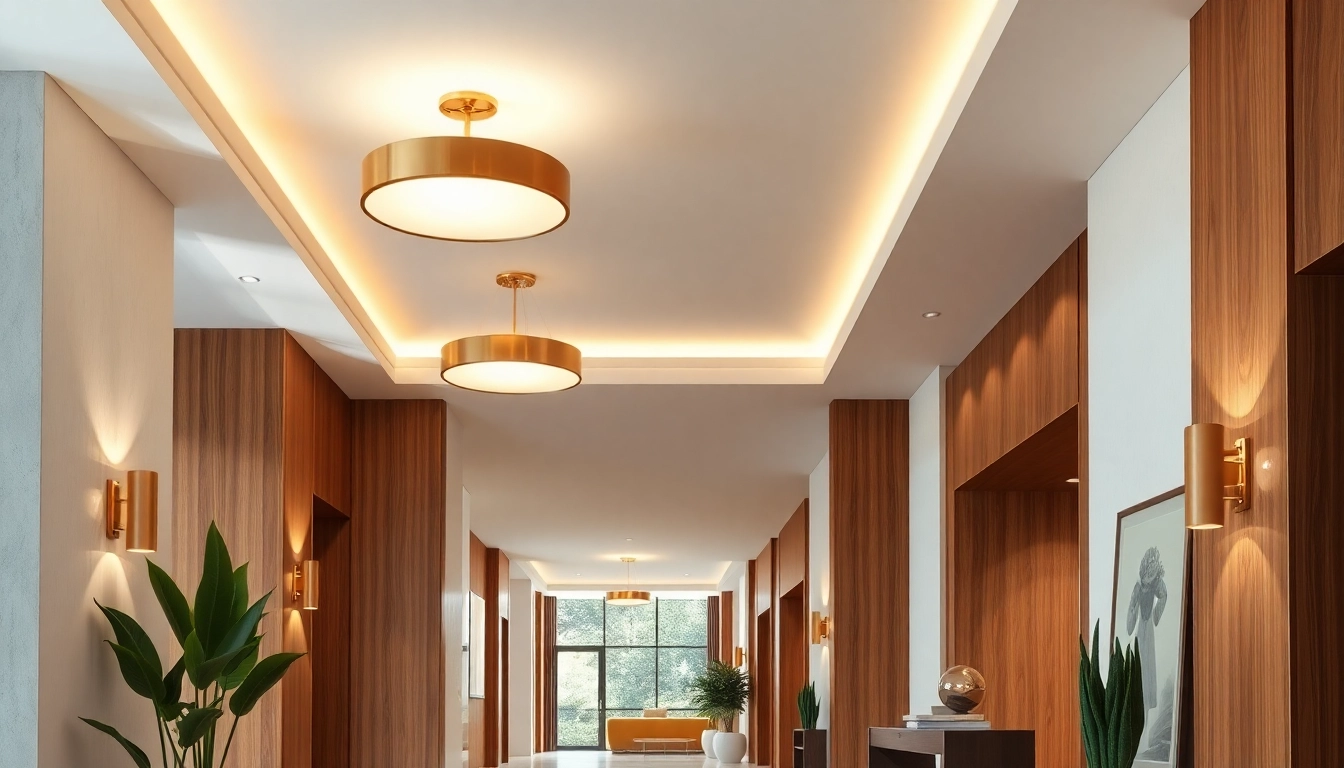
Ceiling-mounted fixtures are a popular choice for hallway lighting due to their ability to provide ample illumination without taking up valuable floor space. Flush mount and semi-flush mount fixtures can be integrated seamlessly into any hallway. However, one downside is that these fixtures often can’t provide the variety of light levels needed for different activities. It’s important to choose fixtures that fit the scale of your hallway, ensuring they do not overpower or underwhelm the space.
Wall Sconces for Ambient Lighting
Wall sconces are excellent for creating ambient lighting in hallways. They provide a warm, welcoming glow without taking up additional space. Placing sconces at eye level can create pleasing symmetry while also distributing light more evenly throughout the area. However, placement is key; sconces should be installed at heights that prevent shadows and enhance visibility. Consider using dimmable options to adjust the mood according to time of day or occasion.
Pendants and Chandeliers: A Statement Piece
Pendants and chandeliers can add grandeur to your hallway while providing sufficient illumination. These fixtures are especially suited for larger or double-height hallways where their scale can be appreciated. However, when using these fixtures, ensure that they hang at a height that does not impede movement. Choose materials and designs that complement the hallway's decor to provide a cohesive look while adding a focal point.
Choosing the Right Style and Design
Modern vs. Traditional Fixtures
When selecting light fixtures for a hallway, consider the overall design theme of your home. Modern fixtures often feature clean lines and minimalist designs, perfect for contemporary spaces. Conversely, traditional fixtures may include ornate details and classic finishes, suitable for more traditional interiors. Whichever style you choose, ensure it reflects your personal taste and harmonizes with the existing decor.
Color and Material Considerations
The color temperature of your light fixtures can significantly affect the atmosphere of your hallway. Warm white tones (~2700K) can create an inviting ambiance, while cooler temperatures (~5000K) can offer a more energizing feel. Additionally, consider the materials of your light fixtures; metals like brass or chrome provide a sleek, modern touch, while wood or antique finishes can evoke a sense of warmth and nostalgia.
Trends in Hallway Lighting Design
Staying current with trends in hallway lighting can help you achieve a stylish look that remains relevant over time. One popular trend is the use of integrated LED strips, which can be installed along the edges of ceilings or flooring for a subtle glow. Additionally, vintage-inspired fixtures that blend nostalgia with modern functionality are making a comeback. Consider incorporating smart lighting options that allow for customization and control through mobile apps, enhancing both convenience and efficiency.
Installation and Maintenance Tips
How to Properly Install Light Fixtures for Hallway
Installing light fixtures in your hallway involves several key steps. Begin by turning off the power at the circuit breaker to avoid any electrical hazards. Next, use a stud finder to establish where to mount the fixtures, ensuring no electrical wiring is in the way. Follow manufacturer instructions for proper installation, and if in doubt, consult a professional electrician. Pay attention to height placement to maximize the effectiveness of your chosen fixtures.
Maintaining Your Fixtures for Longevity
Regular maintenance is essential to keeping your light fixtures in optimal condition. Dust the fixtures periodically and clean the glass or lenses to ensure maximum light output. If using incandescent or halogen bulbs, check them regularly for signs of wear. For LED fixtures, keep an eye on the housing temperature to prevent overheating, which can reduce lifespan. Periodically check connections and wiring for any signs of damage or wear.
Safety Tips When Working with Electrical Fixtures
Safety should always be a priority when working with electrical fixtures. Before starting any installation or maintenance work, turn off power at the circuit breaker and use a voltage tester to ensure no current is running. Wear appropriate safety gear, such as gloves and goggles, to protect yourself. If you're unfamiliar with electrical work, hiring a licensed electrician is highly recommended to avoid accidents and ensure compliance with local codes.
FAQs About Light Fixtures for Hallway
How do I choose the right size light fixtures for hallway?
The size of your light fixtures should correlate with the length and width of the hallway. A general rule of thumb is to choose fixtures that are 1/3 the width of the hallway for optimal proportions.
Can I use LED light fixtures for hallway?
Yes, LED light fixtures are an energy-efficient choice for hallways. They provide bright illumination and can last up to 25 times longer than traditional bulbs, reducing maintenance costs.
What is the best color temperature for hallway lighting?
For hallways, a warm white color temperature (around 2700K to 3000K) is often best, as it creates an inviting atmosphere while providing adequate visibility.
How often should I change bulbs in my light fixtures for hallway?
Change bulbs as soon as they burn out; for incandescent bulbs, expect to replace them every 1,000 hours, while LEDs can last up to 25,000 hours before replacement is needed.
Are there energy-efficient options for light fixtures for hallway?
Yes, LED light fixtures for hallway are among the most energy-efficient options, consuming less power while providing the same or more illumination than traditional bulbs.