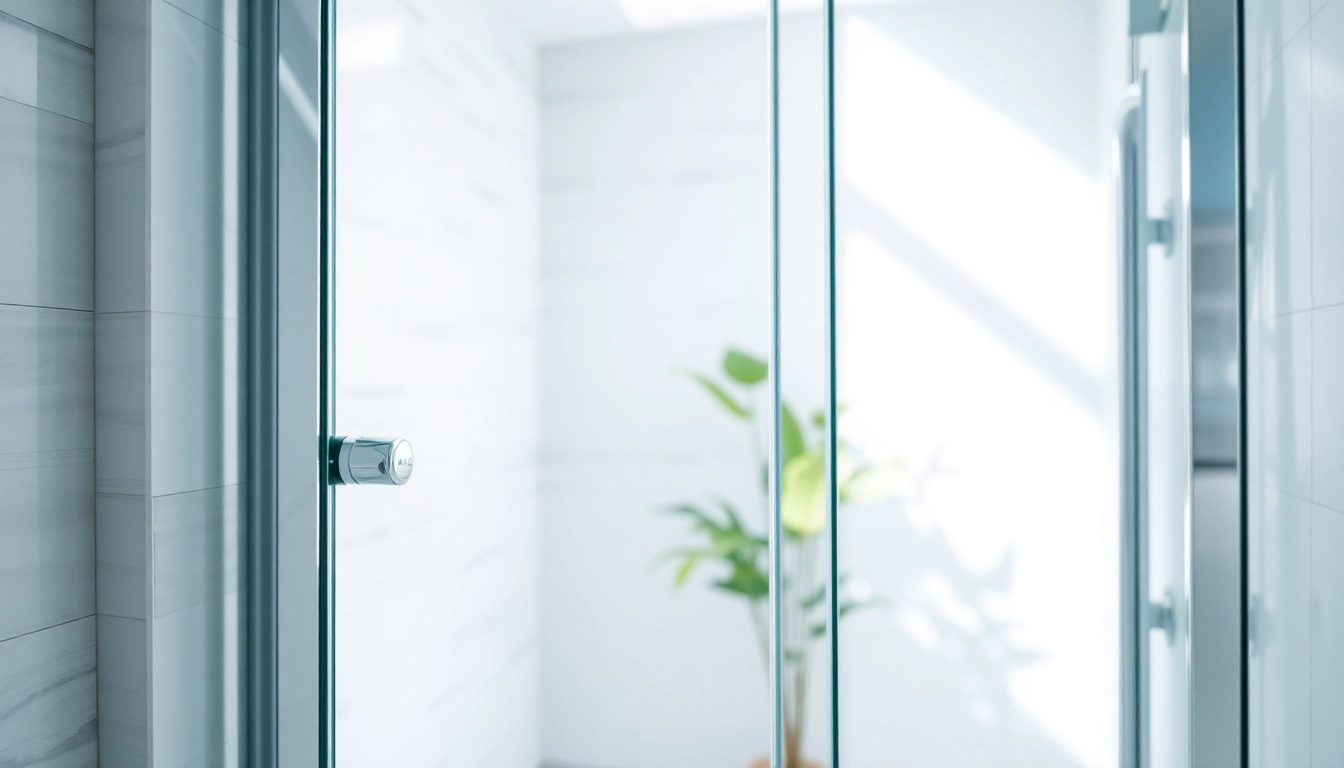
Understanding Shower Screen Sliding Door Options
When considering a modern upgrade to your bathroom, few elements can elevate the design and functionality as effectively as a shower screen sliding door. With a range of styles and materials available, understanding your options is crucial for making the right decision that complements your space while enhancing usability. This comprehensive guide delves into various aspects of shower screen sliding doors, providing insights into their types, benefits, material considerations, installation, design inspirations, maintenance, and more.
Types of Shower Screen Sliding Doors
Shower screen sliding doors come in various designs and functionalities, catering to different preferences and bathroom layouts. Here are some of the most common types:
- Framed Sliding Doors: These doors feature a metal frame that encases the glass panels, which not only provides stability but allows for a variety of design choices. They’re often more budget-friendly and easier to install.
- Frameless Sliding Doors: For a sleek, modern look, frameless doors eliminate bulky frames, presenting a minimalist aesthetic. These doors create the illusion of a larger space while offering a contemporary touch.
- Bi-Fold Sliding Doors: Ideal for smaller bathrooms, bi-fold sliding doors fold inwards to maximize available space. They are functional and stylish, allowing for easy access without the need for extensive clearance.
- Corner Sliding Doors: These are designed specifically for corner shower installations, using two sliders that meet at an angle. They effectively utilize corner spaces, adding a unique focal point to the bathroom.
- Standard Sliding Doors: A traditional option, these doors slide along a rail, typically requiring a bit more space but offering a classic aesthetic that suits various bathroom styles.
Benefits of Choosing a Sliding Door
Opting for a shower screen sliding door presents several compelling advantages:
- Space Efficiency: Sliding doors are perfect for compact bathrooms as they do not swing open, allowing for maximum utilization of space.
- Easy Accessibility: The sliding mechanism enables effortless access to the shower, making it user-friendly for people of all ages.
- Modern Visual Appeal: Shower screen sliding doors contribute to a contemporary bathroom aesthetic, minimizing visual clutter and enhancing the overall feel of the space.
- Improved Water Containment: Many designs are engineered to effectively prevent water from spilling out, minimizing bathroom upkeep and maintaining cleanliness.
- Customizable Designs: Sliding doors are available in various styles, colors, and finishes, allowing homeowners to select options that align with their design preferences.
Material Considerations for Durability
When choosing a shower screen sliding door, the materials used can significantly impact its durability and maintenance. Here are key materials commonly used:
- Tempered Glass: Known for its strength and safety features, tempered glass is resistant to thermal shock and is less likely to shatter compared to ordinary glass. It is an ideal choice for frequent use.
- Framing Materials: The frames can be made from aluminum, brass, or stainless steel. While aluminum is lightweight and corrosion-resistant, stainless steel offers superior durability and a more upscale look.
- Plastic or Acrylic: Although less common in premium designs, acrylic doors can be an economical option. However, they may not offer the same aesthetic appeal or durability as glass.
- Seals and Tracks: Quality seals are essential for preventing leaks and maintaining ease of movement. Stainless steel tracks depict the best durability, while plastic ones may wear out faster.
Installation Guide for Shower Screen Sliding Door
Installing a shower screen sliding door can be straightforward, especially with proper planning and execution. Below is a comprehensive guide to ensure a successful installation.
Pre-Installation Requirements
Before diving into installation, consider the following pre-installation checks:
- Measurement: Measure the shower opening accurately, accounting for wall plumbness and leveling to ensure the door fits correctly.
- Tool Checklist: Prepare necessary tools such as a drill, screwdriver, level, tape measure, and caulking gun.
- Clear the Area: Remove any existing fixtures or obstructions to create a clean workspace.
- Read Instructions: Refer to the manufacturer’s installation guide as specific requirements may vary by brand and model.
Step-by-Step Installation Process
With everything prepared, follow these steps for installation:
- Install the Bottom Track: Begin by securing the bottom track where the door will slide. Use a level to ensure it is straight, marking drill holes and screwing it into place.
- Attach Wall Brackets: Next, install the wall brackets according to the manufacturer's specifications, ensuring they are also level and secure.
- Place the Door Panels: Carefully lift the glass panels onto the bottom track and into the wall brackets. This step may require assistance due to the weight of the panels.
- Install the Top Track: Once the panels are in place, position the top track and secure it to the wall brackets, ensuring it aligns with the bottom track for smooth movement.
- Apply Seals: Attach any seals or weather stripping to prevent water leakage. Be thorough in this step to ensure long-lasting performance.
- Final Adjustments: Test the door’s movement, making necessary adjustments to the rollers for smoother performance.
- Caulk the Edges: Finish by applying caulk around the edges for a waterproof seal, ensuring a clean and polished look.
Common Installation Mistakes to Avoid
To prevent common pitfalls during installation, keep the following errors in mind:
- Inaccurate Measurements: Always double-check measurements before cutting or drilling to avoid costly mistakes.
- Ignoring Manufacturer Instructions: Skipping steps outlined in the manufacturer’s guide can lead to installation failures or malfunctioning doors.
- Insufficient Support: Ensure all brackets and tracks are securely fastened; otherwise, this may lead to misalignment and potential hazards.
- Neglecting Sealing: Failing to apply seals or caulk correctly can lead to water leaks and long-term damage to your bathroom fixtures.
- Over-tightening Hardware: Be cautious with hardware; overtightening can break glass or damage the frame, affecting door performance.
Design Inspirations for Your Shower Screen Sliding Door
Designing a bathroom around a shower screen sliding door can create a stunning and practical environment. Here are some design inspirations to consider:
Contemporary Bathroom Designs
In modern bathrooms, a shower screen sliding door can act as a striking element. Consider pairing monochrome tiles with a sleek frameless door for a chic, minimalist feel. Open-concept designs that incorporate the bath and shower areas visually expand the space, drawing attention to high-quality finishes and furnishings.
Incorporating Natural Elements
Bringing in natural materials can create a soothing, spa-like atmosphere. Wooden accents, such as teak or cedar, harmonize beautifully with glass-based shower screen sliding doors, offering a warm touch. Incorporate plants and stone elements, which complement the fluidity of the shower door’s design, enhancing a tranquil space.
Color Schemes and Aesthetics
Choosing the right color scheme can significantly impact the bathroom’s overall aesthetic. Light colors make the space feel larger while darker tones add a sense of depth and luxury. Combine your sliding door with coordinated color palettes for tiles and accessories to create a cohesive look. Metallic accents in fixtures can also elevate the modern aesthetic.
Maintenance Tips for Long-Lasting Shower Screen Sliding Door
To ensure the longevity and performance of your shower screen sliding door, regular maintenance is essential. Here are practical tips:
Regular Cleaning Routines
Establish a routine for cleaning your shower screen sliding door. Use a soft cloth and mild glass cleaner to wipe down the surfaces at least once a week. This practice helps prevent soap scum and hard water stains from building up, preserving clarity and cleanliness.
Preventing Mold and Mildew
Humidity can lead to mold growth, especially in bathrooms. To mitigate this, ensure proper ventilation by using exhaust fans. Additionally, routinely inspect seals and caulk for integrity, as compromised seals can lead to moisture retention, fostering mold and mildew.
Hardware Maintenance
Check the door’s hardware regularly. Lubricate the rollers and hinges as necessary to maintain smooth movement, preventing any jams or misalignments. Should any components show signs of wear or degradation, replace them promptly to ensure consistent performance.
FAQs about Shower Screen Sliding Door
What sizes are available for shower screen sliding doors?
Shower screen sliding doors come in various standard sizes, typically ranging from 70cm to 180cm in width, designed to fit different shower enclosures.
Can shower screen sliding doors fit in small spaces?
Yes, shower screen sliding doors are ideal for small bathrooms due to their space-saving design that doesn’t require additional clearance for swinging open.
Are shower screen sliding doors easy to clean?
Yes, cleaning shower screen sliding doors is straightforward. Regular maintenance with glass cleaner helps prevent buildup and maintains clarity.
Do I need professional help to install a sliding door?
While some homeowners can handle the installation, hiring a professional ensures accuracy and prevents common mistakes, especially in complex setups.
What is the average lifespan of a sliding shower door?
Depending on materials and maintenance, sliding shower doors typically last between 10 to 20 years, with regular upkeep contributing to their longevity.