Vehicles
Enhancing Style and Comfort with Window Tint Chattanooga
Understanding Window Tint Chattanooga
What is Window Tinting?
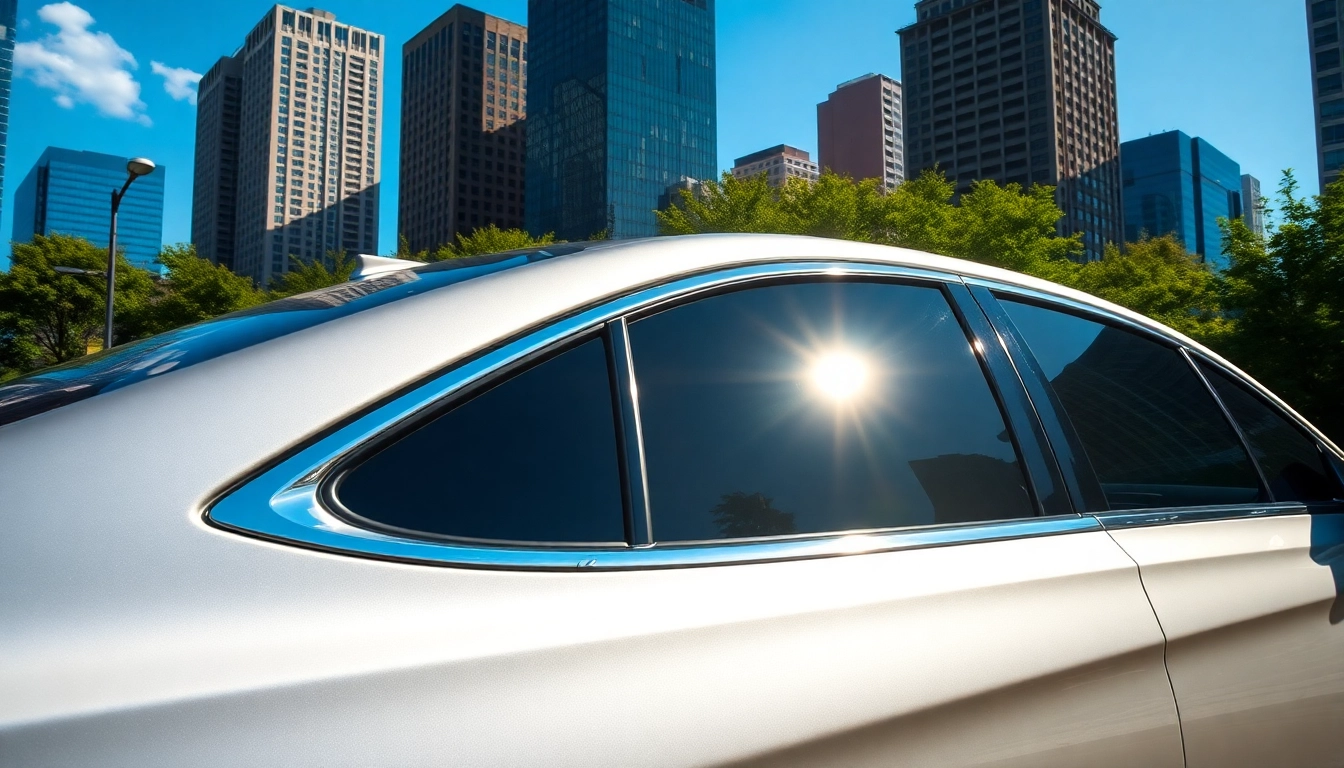
Window tinting refers to the application of a thin film on the glass surfaces of vehicles and buildings, intended to reduce the amount of sunlight entering. This process not only enhances aesthetics but also provides functional benefits, including privacy, UV protection, and heat reduction. Many vehicle owners in Chattanooga are opting for window tint Chattanooga as a way to improve their ride’s comfort and appearance.
Benefits of Window Tint Chattanooga
The benefits of window tinting are numerous and can significantly enhance the driving experience. Here are some of the key advantages:
- UV Protection: High-quality window tints block up to 99% of harmful ultraviolet rays, protecting the occupants and the interior surfaces of your vehicle from fading.
- Heat Reduction: Tints can reduce heat buildup within vehicles, leading to a cooler interior on hot days and less reliance on air conditioning.
- Privacy: Tinted windows provide added privacy for passengers while also safeguarding your belongings from prying eyes.
- Glare Reduction: By minimizing glare from the sun or headlights, tints enhance driving safety, particularly in bright conditions.
- Enhanced Aesthetics: Tints give vehicles a sleek and stylish look, often improving their overall market value.
Types of Window Tint Available
When selecting window tint, vehicle owners in Chattanooga can choose from several types based on preferences and needs. Here are the most popular options:
- Dyed Window Tint: This is an economical option that uses a dye to absorb solar heat. It blocks UV rays but does not provide significant reflective properties.
- Metalized Window Tint: This type incorporates metal particles that reflect solar energy, improving heat reduction while also adding strength to the glass.
- Ceramic Window Tint: One of the most advanced options available, ceramic tints offer superior UV protection and heat reduction without interfering with electronic signals.
- Carbon Window Tint: This tint uses carbon particles to block infrared rays, resulting in less heat entering the vehicle, and offers a matte finish that doesn’t fade.
- Hybrid Window Tint: Combining several technologies, hybrid tints offer a blend of the benefits of dyed and metalized tints, striking a balance between price and performance.
Choosing the Right Tint for Your Vehicle
Factors to Consider
Choosing the right tint for your vehicle involves evaluating several factors:
- State Regulations: Each state has its laws regarding window tint darkness and reflectivity, which should be considered to ensure compliance.
- Quality of Tint: Opt for high-quality films that guarantee longevity and performance, as cheaper options may peel or fade over time.
- Climate Considerations: In hotter climates like Chattanooga, selecting tints with excellent heat rejection properties can significantly enhance comfort.
- Personal Preference: Aesthetic appeal matters; choose a tint that aligns with your vehicle style and your personal taste.
Legal Regulations in Chattanooga
In Chattanooga, vehicle tint regulations are dictated by state laws. The front windshield often has restrictions regarding the level of tint allowed, typically requiring a certain percentage of visible light transmission (VLT). The side and rear windows may have more lenient regulations, but it’s crucial to check local laws before proceeding. Non-compliance can lead to fines and the need for removal of the tint.
DIY vs Professional Installation
Deciding between DIY installation and hiring a professional can be challenging. While DIY kits can be cost-effective, achieving a flawless finish can be difficult for those without experience. Professionals not only guarantee quality installations but also offer warranties, ensuring your investment is protected. Overall, considering the complexity of window tinting, professional installation is often recommended for a hassle-free experience.
Installation Process of Window Tint Chattanooga
Preparation Steps Before Installation
Proper preparation is key for a quality window tint application. Here’s how to get ready:
- Clean the Windows: Thoroughly wash the vehicle’s windows to remove dirt, debris, and oil. This ensures a smooth application without bubbles.
- Choose the Right Day: Install tints on a dry and warm day to prevent moisture and ensure that the film adheres properly.
- Gather Tools: Depending on whether you opt for DIY, prepare all necessary tools, including a razor, squeegee, and a spray bottle filled with soapy water.
Step-by-Step Guide to Tinting Windows
If you are considering a DIY approach, follow these steps for a successful installation:
- Measure and Cut the Film: Measure the windows carefully and cut the film with a few extra inches to ensure complete coverage.
- Soak Windows: Spray the window with the soapy water mixture to create a slippery surface for the tint.
- Apply the Film: Peel the backing off the tint and place it onto the wet window. Adjust for position.
- Remove Air Bubbles: Use a squeegee to push out air bubbles, starting from the center and moving outward.
- Trim Excess Film: Once satisfied with the tint’s position, carefully cut off excess film along the edges and clean the glass surface.
- Let Dry: Allow the film to cure for at least a few days without rolling the windows down.
Post-Installation Care Tips
Once the tint is installed, certain steps should be taken to ensure its longevity:
- Avoid Rolling Down Windows: For at least 48 hours post-installation, avoid rolling down windows to allow the tint to set properly.
- Use Non-Abrasive Cleaners: Clean tinted windows with a soft cloth and non-abrasive cleaners to prevent scratches.
- Monitor for Changes: Keep an eye out for any bubbling or peeling, which can indicate improper installation or film defects.
Maintaining Your Window Tint Chattanooga
Cleaning Tips for Tinted Windows
Keeping tinted windows clean is essential for aesthetics and longevity. Here are some practical cleaning tips:
- Choose the Right Cleaner: Use a gentle, ammonia-free window cleaner to avoid damaging the film.
- Soft Cloths: Always use microfiber cloths to clean the surface, as they minimize scratches.
- Regular Cleaning: Establish a regular cleaning schedule to prevent grime buildup, ideally every couple of weeks.
Common Issues and Repairs
Despite high-quality films, some common issues may arise post-installation:
- Bubbling: Caused by improper installation; can sometimes be fixed with a needle to release trapped air.
- Peeled Edges: Usually, due to poor adhesion or cleaning chemicals; should be resealed by a professional.
- Fading: Lower-quality films may fade over time; seeking higher quality can mitigate this issue.
Longevity of Window Tint
The lifespan of window tint can vary based on quality and maintenance. High-quality films typically last between 5 to 10 years, while cheaper options might need replacement sooner. Factors like climate, maintenance, and exposure to the sun also play a significant role in determining longevity.
Frequently Asked Questions about Window Tint Chattanooga
How Long Does Window Tint Last?
High-quality window tints can last between 5 to 10 years, depending on maintenance and film type. Low-quality films may require replacement sooner.
Can I Remove Window Tint Myself?
Yes, but be cautious. DIY removal can cause damage to the windows. UV rays can help in loosening the adhesive; using a heat gun or steamer may facilitate removal.
What is the Cost of Window Tinting?
The cost of window tinting varies based on the type of film and the number of windows, typically ranging from $150 to $600 for a full vehicle.
Will Window Tint Fade Over Time?
Yes, lower-quality tints may fade, losing their effectiveness. Invest in high-quality films to minimize fading and prolong tint life.
Does Tinting Affect My Car Insurance?
Generally, window tinting does not significantly affect car insurance. However, it’s best to check with your insurance provider for specific policy guidelines.